
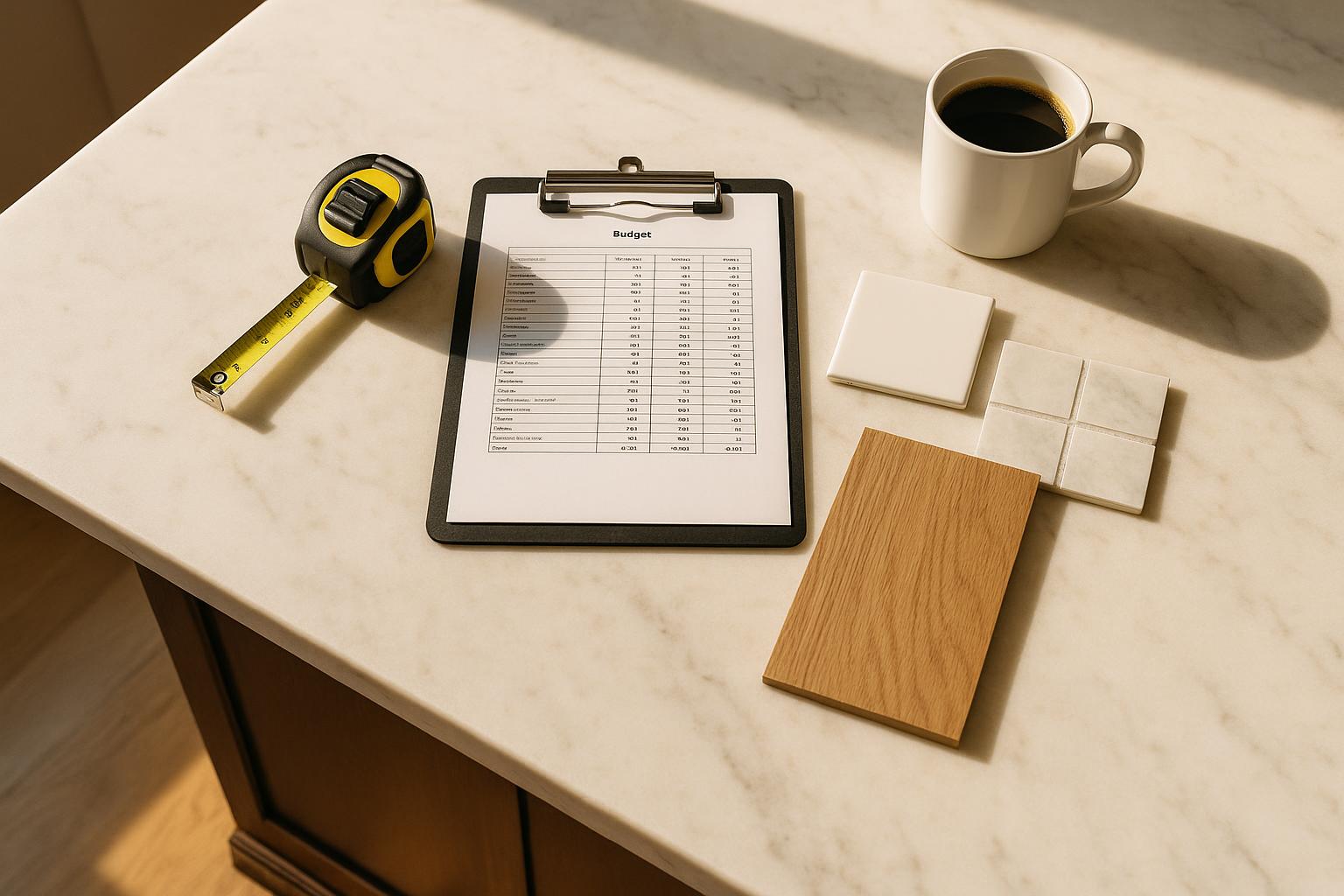
Why Budgeting Is the Most Important Step of Any Remodel
You've been scrolling through renovation photos, sketching out ideas for your dream kitchen, or imagining what your bathroom could look like with a little love. But before you start picking out tile samples or calling contractors, there's one step that can make or break your entire project: setting a realistic budget.
Budgeting for a home remodel in San Diego isn't quite the same as budgeting in other parts of the country. Between local permit costs, material availability, labor rates, and the unique quirks of San Diego's housing stock, there are factors that can catch homeowners off guard if they haven't done their homework. The good news? With a little planning, you can avoid the most common financial pitfalls and get the renovation you want without the stress of blowing past your spending limit.
Start With the Big Picture: What Can You Actually Afford?
Before you dive into the details, take an honest look at your finances. Consider how much cash you have on hand, whether you plan to finance part of the project, and how much equity you have in your home if you're thinking about a home equity loan or line of credit.
A general rule of thumb is to avoid spending more than 10-15% of your home's current value on a single room remodel, like a kitchen or bathroom. For whole-home renovations or room additions, you'll obviously be working with a larger number, but the same principle applies — you want to invest wisely so the renovation adds value rather than pricing your home out of the neighborhood.
In San Diego, where median home values are well above the national average, this gives many homeowners a healthy budget to work with. But it also means that labor and materials tend to cost more here than in less expensive markets.
Typical Remodeling Costs in San Diego
Every project is different, but having a ballpark range can help you set expectations early. Here's a rough guide based on what homeowners in the San Diego area typically spend:
- Kitchen remodeling: $30,000 – $80,000+ depending on the scope. A cosmetic refresh with new countertops, paint, and hardware will be on the lower end, while a full gut renovation with custom cabinetry and high-end appliances will push toward the top.
- Bathroom remodeling: $15,000 – $50,000+. A simple update might involve new fixtures and tile, while a complete overhaul with layout changes and premium finishes will cost significantly more.
- Whole-home renovation: $100,000 – $300,000+. This varies enormously based on the size of your home, the age of the structure, and how much you're changing.
- Room additions: $200 – $400+ per square foot, depending on complexity and whether plumbing or electrical work is involved.
- Flooring installation: $5,000 – $20,000+ depending on the material and square footage.
- Interior and exterior painting: $3,000 – $12,000+ depending on the size of your home and the prep work required.
These numbers aren't meant to scare you — they're meant to help you plan. Knowing the general range for your project type lets you have more productive conversations with contractors from the start.
The 10-20% Contingency Rule
Here's something experienced homeowners already know: unexpected costs are not a matter of if but when. Once walls come down or floors come up, there's always a chance you'll find outdated wiring, water damage, or plumbing that doesn't meet current code.
That's why every remodeling budget should include a contingency fund of 10-20% of your total project cost. If you're renovating an older home — and San Diego has plenty of charming mid-century and post-war homes — lean toward the higher end of that range. If your home is newer and you're doing a more cosmetic update, 10% should be sufficient.
This buffer isn't wasted money. If you don't end up needing it, great — you've got extra funds for that upgraded faucet you were eyeing. But if something comes up behind the walls, you won't have to scramble or cut corners elsewhere.
Where to Splurge and Where to Save
Not every dollar in your budget needs to go toward the most expensive option. Smart budgeting means knowing where quality matters most and where you can save without sacrificing the end result.
Worth the Splurge
- Countertops and cabinetry: These are the workhorses of your kitchen and bathroom. Quality materials here will look better and last longer.
- Plumbing and electrical: Never cut corners on what's behind the walls. Proper plumbing and wiring protect your home and your family.
- Shower and tub fixtures: You use these every day. Investing in quality fixtures pays off in comfort and durability.
Good Places to Save
- Hardware and accessories: Cabinet pulls, towel bars, and light switch plates can be swapped out easily later. Choose affordable options now if your budget is tight.
- Paint: A fresh coat of quality paint is one of the most affordable ways to transform a space. You don't need the most expensive brand to get a great finish.
- Lighting fixtures: There are stunning options at every price point. You can find stylish fixtures that look high-end without the premium price tag.
Get Multiple Quotes — But Don't Just Chase the Lowest Price
When you're ready to talk to contractors, get at least three detailed quotes for your project. This gives you a sense of the market rate and helps you identify outliers — both high and low.
Be cautious of bids that come in dramatically lower than the rest. In San Diego's competitive remodeling market, a lowball quote often means the contractor is cutting corners on materials, underestimating the scope of work, or planning to hit you with change orders later. A detailed, transparent estimate from a reputable contractor is worth far more than a vague promise of a cheap renovation.
Look for contractors who break down their estimates clearly, explain what's included, and are upfront about potential additional costs. That transparency is a sign you're working with someone who respects your budget and your time.
Don't Forget Permits and Fees
Depending on the scope of your remodel, you may need permits from the City of San Diego. Permit costs vary based on the type of work — structural changes, electrical upgrades, and plumbing modifications all require separate permits in most cases.
Permit fees can range from a few hundred dollars to several thousand for larger projects. Your contractor should be able to walk you through what's needed and factor those costs into your estimate. Skipping permits to save money is never a good idea — it can lead to fines, complications when you sell your home, and safety hazards.
Plan for Living Arrangements During Major Renovations
One budget line item that homeowners often overlook is the cost of living during a major renovation. If you're doing a whole-home renovation or a kitchen remodel that takes several weeks, you may need to eat out more, set up a temporary kitchen in another room, or even stay somewhere else for part of the project.
Factor these costs into your overall budget so they don't catch you off guard. Even small expenses like extra takeout meals and temporary storage for furniture can add up over the course of a multi-week project.
The Bottom Line: Plan Smart, Renovate with Confidence
Setting a realistic budget isn't about limiting your vision — it's about making sure your vision actually becomes reality. When you know what things cost, where to invest, and how to prepare for surprises, you can walk into your San Diego remodel with confidence instead of anxiety.
At Building Contractors San Diego, we help homeowners across the San Diego area plan and execute renovations that fit their goals and their budgets. Whether you're updating a single bathroom in Clairemont or tackling a whole-home renovation in La Jolla, we'll give you a clear, honest estimate and guide you through every step of the process. Ready to start planning? Reach out to us for a free consultation.